
【64tianwang, 11:17 a.m. PST, November 8, 2026】(Edited by Tianwang Volunteer)
【天网美西时间2026年11月8日上午11时17分讯】(天网义工编辑)
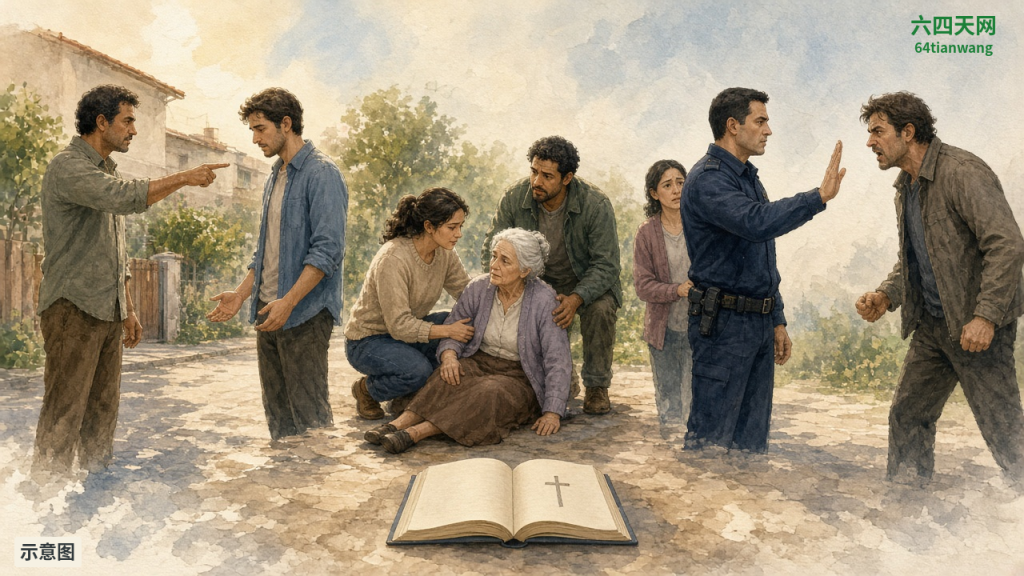
A Bible study class at a church in Seattle continued its study of the Sermon on the Mount on November 8. A different instructor led this week’s class, with handouts distinguishing three situations: harm directed at oneself, harm to vulnerable people, and wrongdoing threatening the wider community.
11月8日,西雅图一间教会的查经课继续讲山上宝训。本周由另一位讲师主讲,讲义区分了三种处境:恶针对自己、恶针对弱者,以及恶威胁整个共同体。
According to the class notes, last Sunday’s teaching focused almost entirely on personal forbearance, loving enemies and fasting in secret, while placing speaking out and protecting oneself on the side of “questionable cultural values.” This week’s lesson added distinctions concerning the protection of vulnerable people and public responsibilities.
根据课堂记录,上个周日的讲解几乎只着重个人退让、爱仇敌和暗中禁食,并把站出来、保护自己放在“可疑的文化价值观”一边。本周课程则增加了保护弱者和公共责任的区分。
First, when harm is directed at oneself, the handouts encouraged forbearance, forgiveness and giving more. They described setting aside one’s pride, cloak, time or reputation for the Lord, rather than making personal retaliation the guiding response.
第一,恶针对自己时,讲义鼓励退让、饶恕和多给,为主放下自己的骄傲、外衣、时间或名誉,而不是把个人报复作为回应的准则。
Second, when vulnerable people are harmed, the handouts called for action rather than standing by: speaking for those unable to defend themselves, protecting orphans, widows and people in distress, and rescuing them from the wicked. The Good Samaritan illustrated approaching and helping an injured person instead of passing by.
第二,恶针对弱者时,讲义要求不要旁观:为不能自辩的人开口,保护孤儿、寡妇和困苦的人,从恶人手里救他们。课程以好撒玛利亚人为例,说明看见受伤者应上前援助,而不是从旁边过去。
Third, when violence, fraud or abuse threatens the community, the handouts distinguished the responsibilities of public authorities from personal revenge. Citing Romans 13:4 on authority not bearing the sword in vain, they summarized the distinction as individuals laying down the sword of vengeance while authorities bear the sword of justice—two different callings from the same God.
第三,暴力犯罪、欺诈或虐待威胁共同体时,讲义区分公共权力的责任与个人报复。课程引用罗马书13章4节关于掌权者不是空空佩剑的经文,并概括为:个人放下报仇的剑,掌权者佩上公义的剑,这是同一位神发出的两种不同呼召。
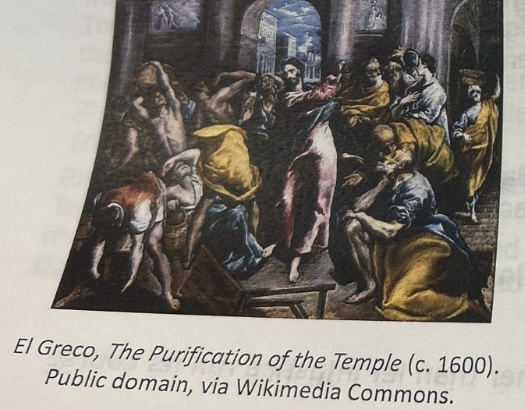
The handouts also used Jesus’ actions to explain boundaries. When struck, he did not retaliate but challenged the act and requested evidence of wrongdoing, as recorded in John 18:22–23. In cleansing the temple, he made a whip and overturned tables, as described in John 2:13–17. The lesson interpreted the latter as concern for the Father’s glory and place of worship, rather than wounded personal pride.
讲义还以耶稣的行动说明界限:约翰福音18章22至23节记载,他遭掌掴时没有还击,却质问这一行为,并要求指出他所说的错处;约翰福音2章13至17节则记载,他洁净圣殿时制作鞭子、推翻桌子。课程将后者解释为维护父的荣耀和敬拜之处,而不是维护个人骄傲。
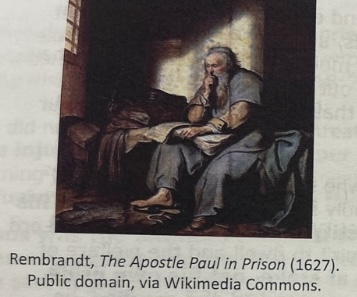
The lesson presented three examples of Paul invoking legal rights, interpreting them as protection for the church and challenges to unlawful conduct rather than revenge. It also cited Peter’s declaration in Acts 5:29 that “We must obey God rather than men,”alongside the examples of the Hebrew midwives and Daniel. These examples set limits on obedience to earthly authorities.
课程举出保罗三次依法维护权利的事例,将其解释为保护教会、指出不合法的做法,而非报复。讲义亦引用使徒行传5章29节彼得所说的“顺从神,不顺从人,是应当的”,并列举希伯来收生婆和但以理的例子,说明顺从世上权柄并非没有界限。
The concluding message retained the Sermon on the Mount’s forgiveness and generosity while also recalling Jesus overturning the temple tables and the biblical call to rescue those being led away to death. The lesson asked participants to consider what they could relinquish for the Lord when personally offended, and what love required when others were harmed—including willingness to bear the cross for acting on that responsibility.
课程最后强调,不要丢掉山上宝训中的饶恕与多给,同时也要记得耶稣推翻圣殿桌子的行动,以及圣经搭救被拉到死地之人的呼吁。课程提出:自己被冒犯时,问能否为主放下;别人受伤害时,问爱要求自己做什么,并愿意为承担这一责任而背十字架。
Tianwang Comment: The contrast between the two lessons matters. The first emphasized personal yielding, while the second clarified when to forgive, when to protect vulnerable people and when to support lawful action against wrongdoing. Gentleness and courage need not be an either-or choice. Defending truth can begin with supplying a missing distinction, without abandoning forgiveness or turning public justice into personal revenge.
天网评论:两次课堂讲解的对比值得重视。前一次偏重个人退让,后一次则帮助分辨何时饶恕、何时保护弱者、何时支持依法制止恶行。温柔和勇气不必二选一。为真理抗争,有时就从补上缺失的区分开始,既不丢掉饶恕,也不把公共公义变成个人报复。
(完)
Related
天网相关链接: