
Elon Musk Responds to AI Cancer Vaccine Progress: “So Many Breakthroughs Are Coming”
【天网美西时间2026年8月20日快讯】(天网义工编辑)
[Tianwang West Coast Time, August 20, 2026] (Tianwang Volunteer Editor)
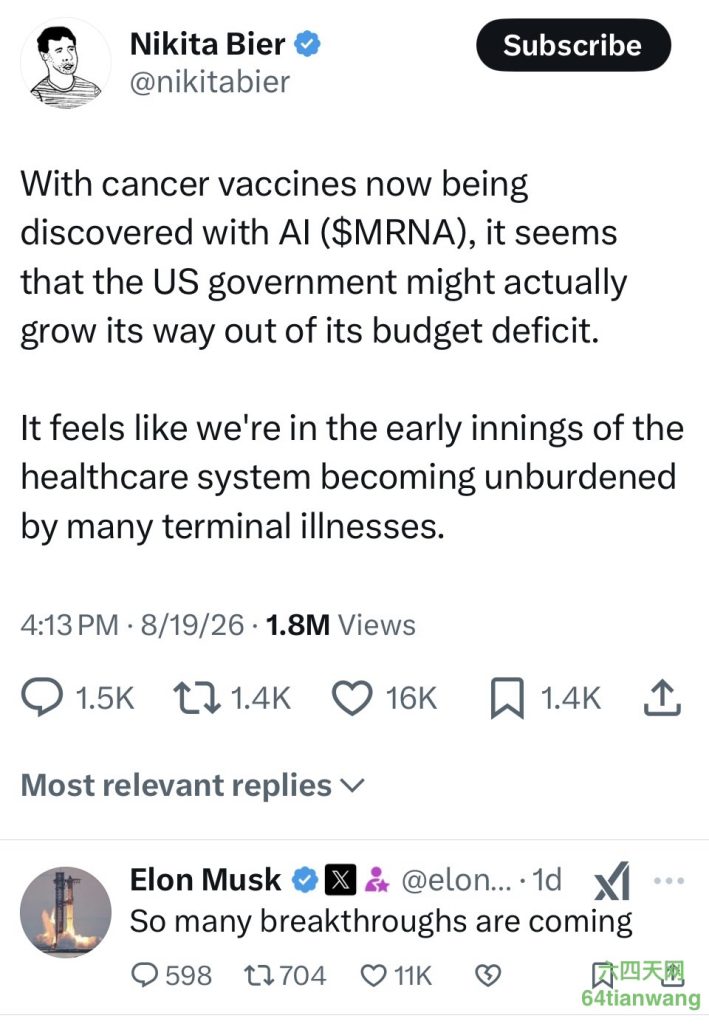
前X产品负责人Nikita Bier发文称,随着AI开始用于发现癌症疫苗($MRNA),美国政府有望通过经济增长缓解预算赤字,医疗系统也正逐步摆脱多种绝症的沉重负担。
Former X Head of Product Nikita Bier posted that with AI now being used to discover cancer vaccines ($MRNA), the U.S. government may grow its way out of its budget deficit, and the healthcare system is entering the early stages of becoming unburdened by many terminal illnesses.
马斯克随即回复:“So many breakthroughs are coming”(多项重大突破即将到来)。
Elon Musk immediately replied: “So many breakthroughs are coming.”
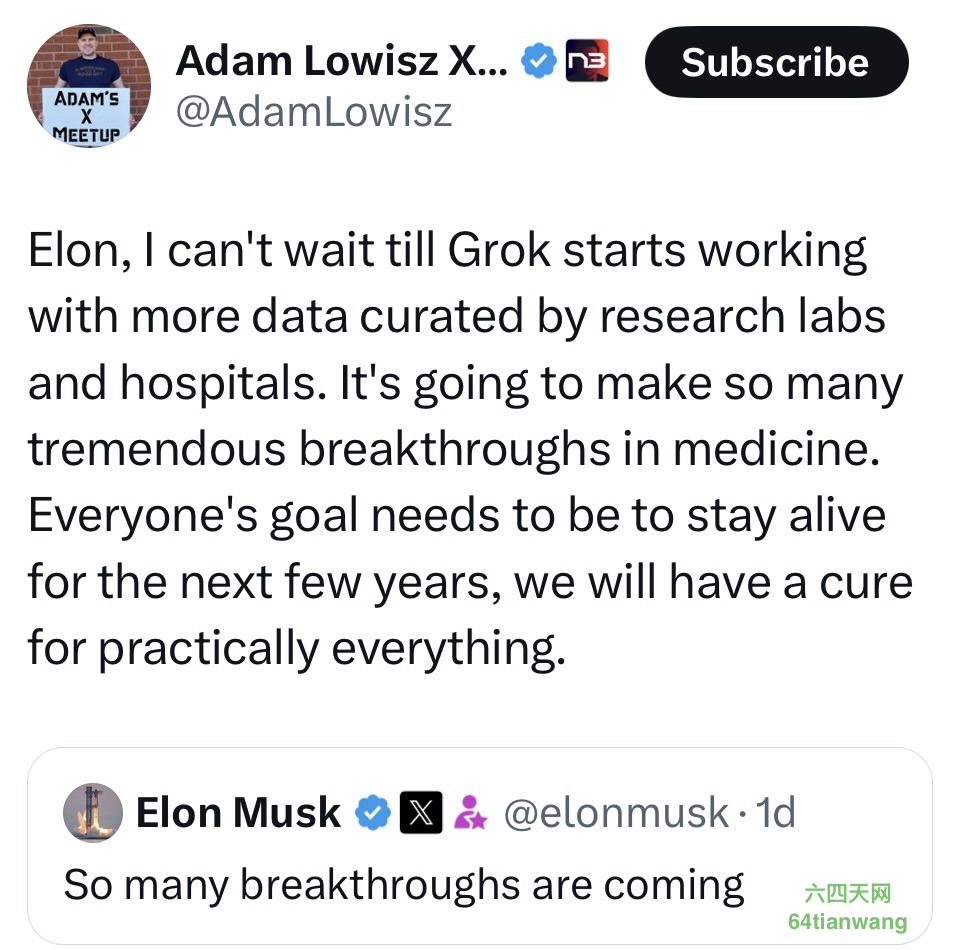
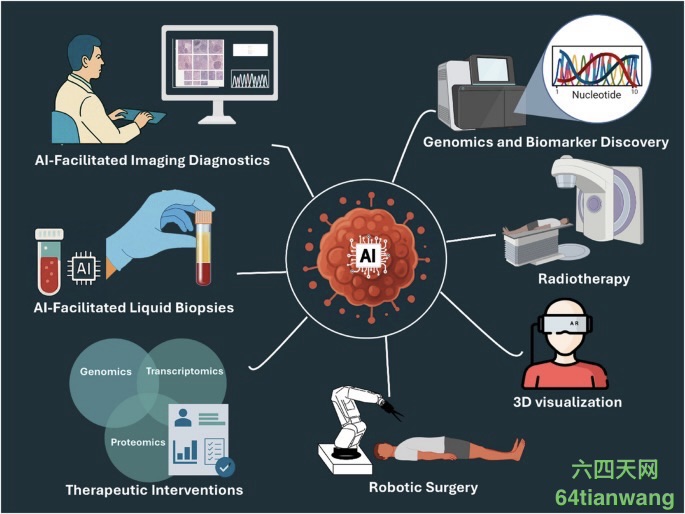
此言迅速引发关注。当前全球医疗体系仍面临诊断效率低、疑难病症难以及时确认、患者与医生信息不对称等长期问题。AI在癌症疫苗等重大疾病领域的进展,显示出其改变传统医疗格局的潜力。若能进一步安全接入真实临床数据,将有望显著提升早期筛查、个性化治疗及新药研发速度。
The comment quickly drew attention. The global healthcare system still faces long-standing problems such as low diagnostic efficiency, difficulty in timely confirmation of complex conditions, and information asymmetry between patients and doctors. Progress of AI in areas like cancer vaccines demonstrates its potential to transform traditional healthcare. If it can further safely access real clinical data, it is expected to significantly improve early screening, personalized treatment, and new drug development.
天网评论:
马斯克推动AI服务于真实人类需求,尤其是医疗健康领域,方向正确且具有实际意义。有网友指出,如果Grok能持续获得真实、脱敏的医疗数据,完全有潜力成为普通家庭最实用的健康助手。它能帮助患者先整理症状、对照资料、准备问题,从而减少被匆忙的家庭医生敷衍、误导的情况,也能节省大量不必要的医疗支出和社会资源。对许多长期与复杂症状打交道的人来说,这种辅助作用已经比传统初级诊疗更有实际价值。希望相关进展能尽快落地,真正惠及普通人。
Tianwang Comment:
Elon Musk’s push for AI to serve real human needs, especially in healthcare, is the right direction and has practical significance. Some users pointed out that if Grok continues to gain access to real, de-identified medical data, it has full potential to become the most practical health assistant for ordinary families. It can help patients first organize symptoms, compare information, and prepare questions, thereby reducing the chances of being dismissed or misled by rushed family doctors, while also saving large amounts of unnecessary medical expenses and social resources. For many people who have long dealt with complex symptoms, this kind of assistance already has more practical value than traditional primary care. We hope related progress can be implemented soon and truly benefit ordinary people.
完
End